Food & Code = ???
A course for the Royal College of Art (RCA)
Design Products MA
London, UK
2016-2017
Course conveners:
Robert Philips
Kit Braybrooke
In partnership with:
Microsoft Research
Growing Underground
Tescos
A course for the Royal College of Art (RCA)
Design Products MA
London, UK
2016-2017
Course conveners:
Robert Philips
Kit Braybrooke
In partnership with:
Microsoft Research
Growing Underground
Tescos
This was a new practice course which I designed at the RCA with Dr Robert Philips for the Design Products MA programme to explore how designers could tackle food injustice in a rapidly changing world. We asked: In a world of digital creation, what can future food security look like? What design opportunities are there for food, technology and bio-design collaborations that solve core issues
around UK food production, distribution, consumption, and security?
The course was informed by a 2016 study from Research Councils UK which found that over 800 million people around the world still did not have adequate access to safe, nutritious food in their communities, with global populations expected to reach 9 billion by 2030. Our relationship with food has become costly and distant, we argued, our consumption reliant on distant international producers. As design practitioners, we believed opportunities existed for transformative change through critical design pedagogies - the kind that make worlds.
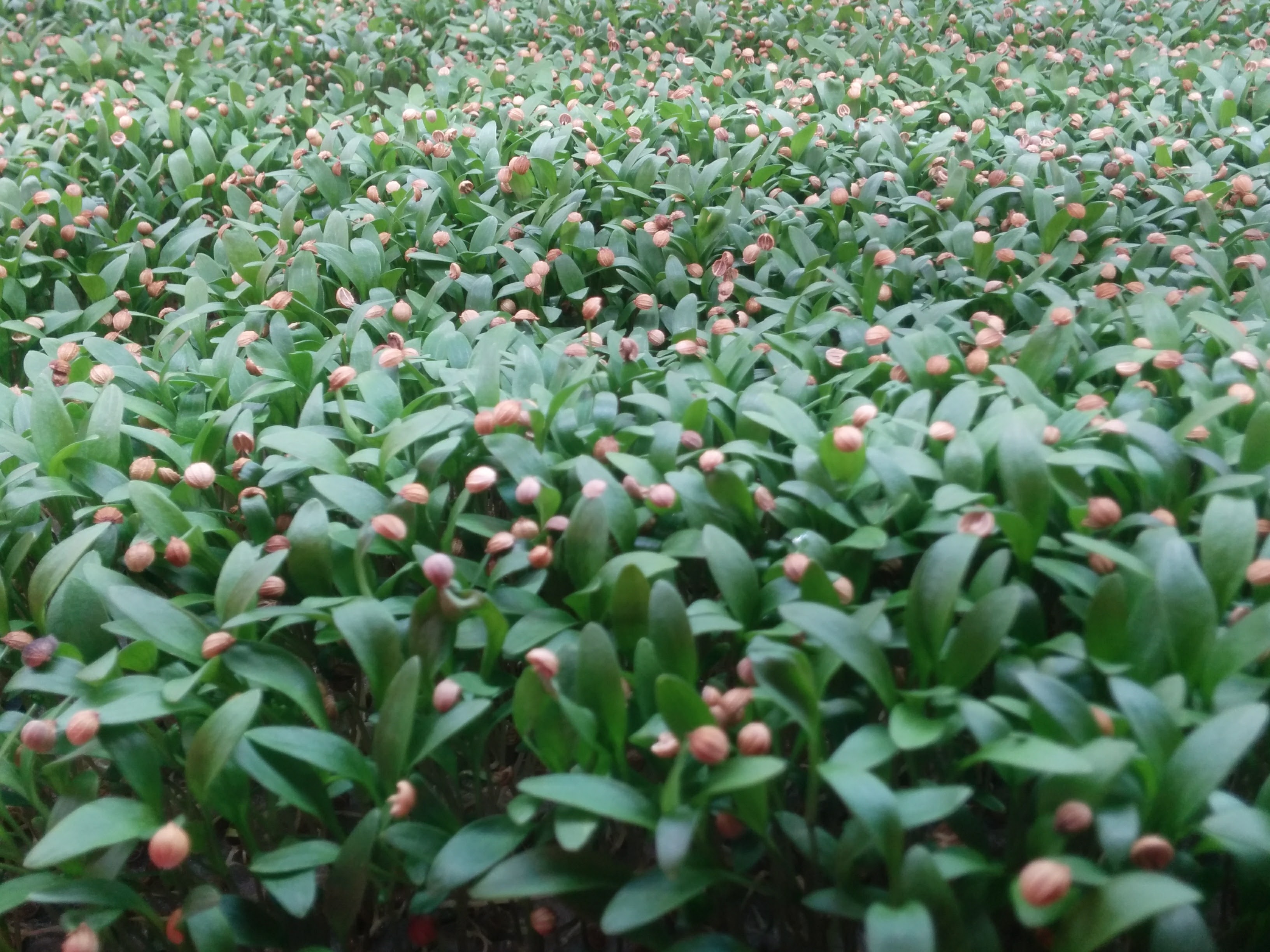
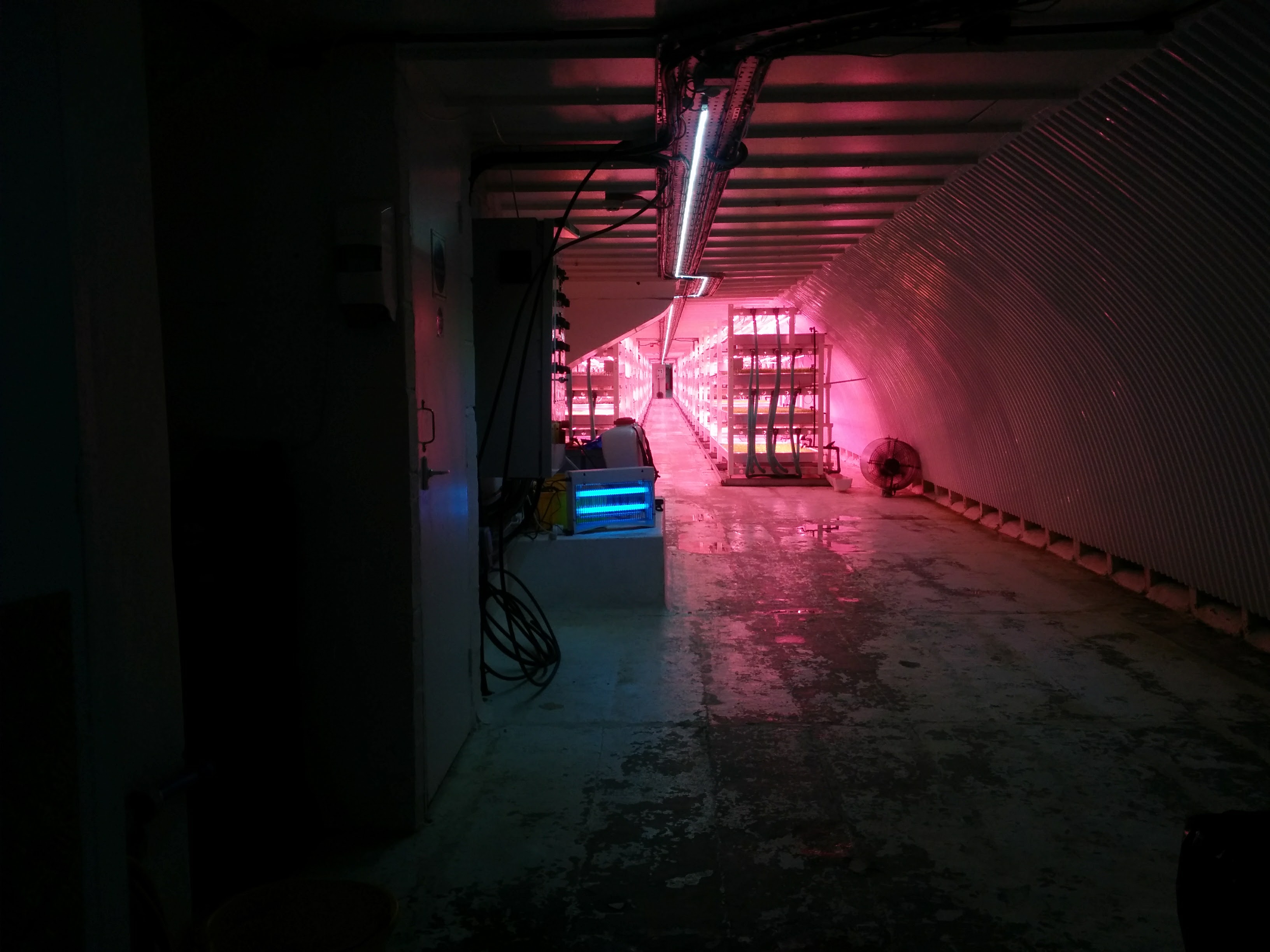
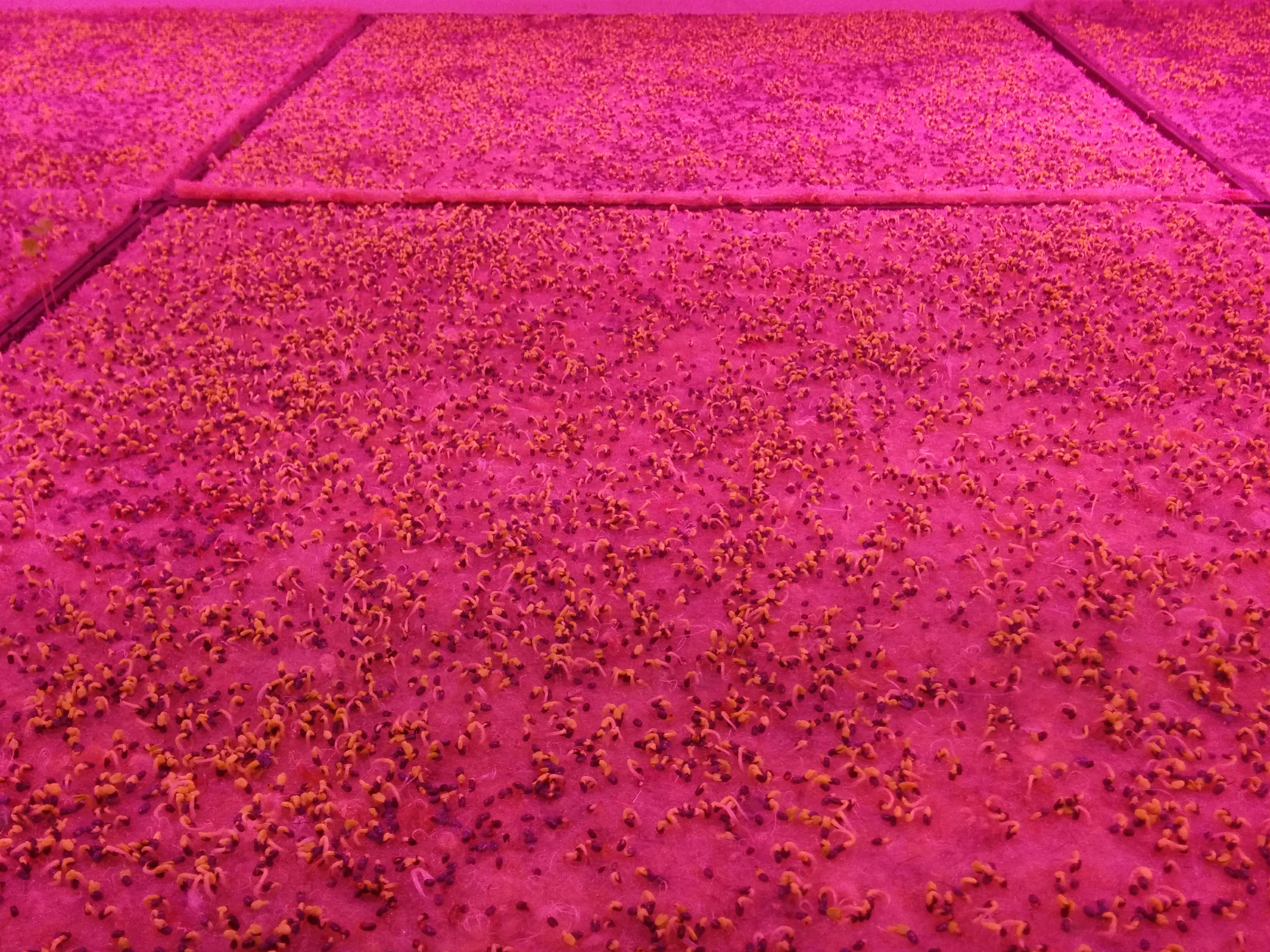
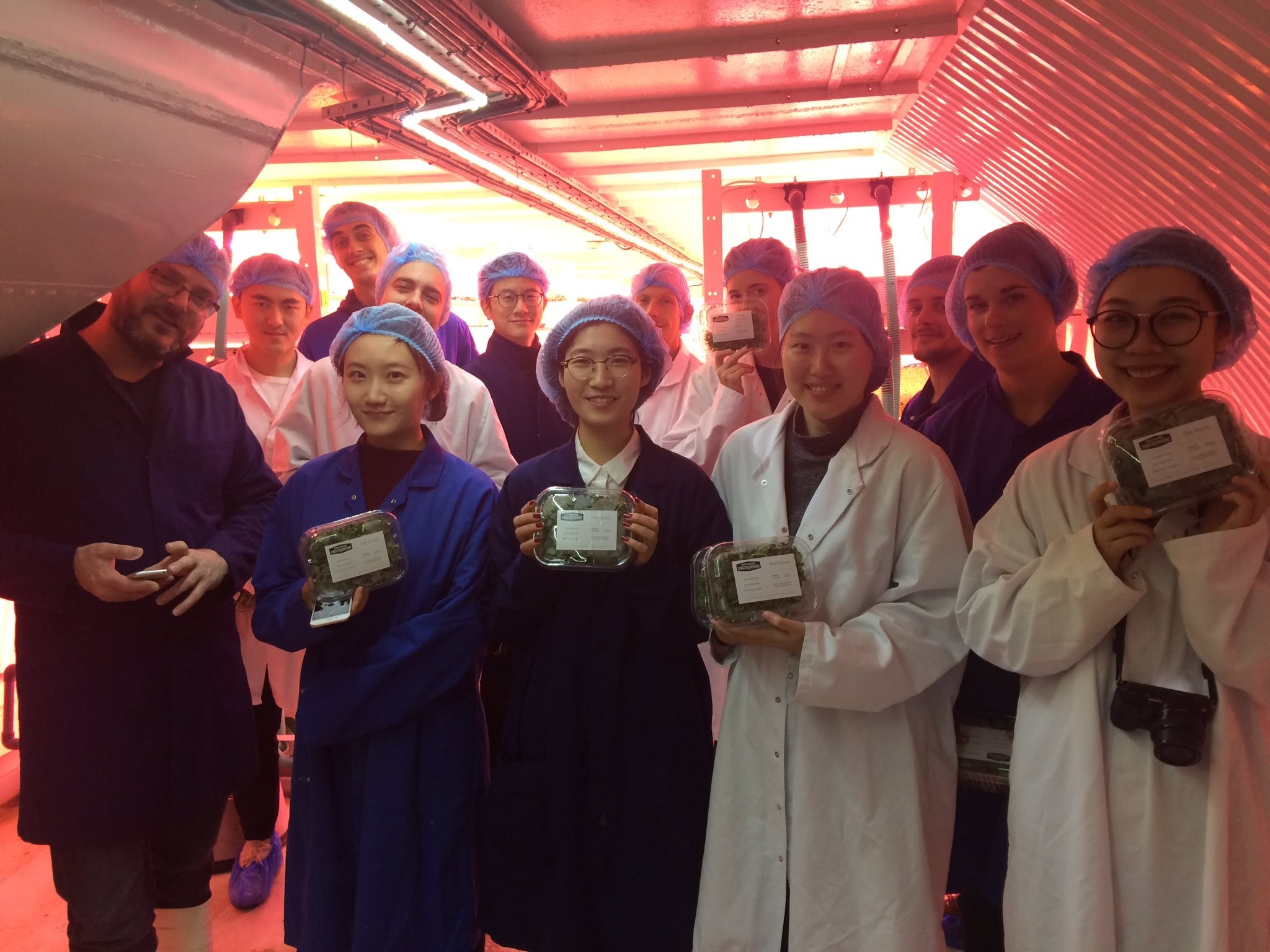
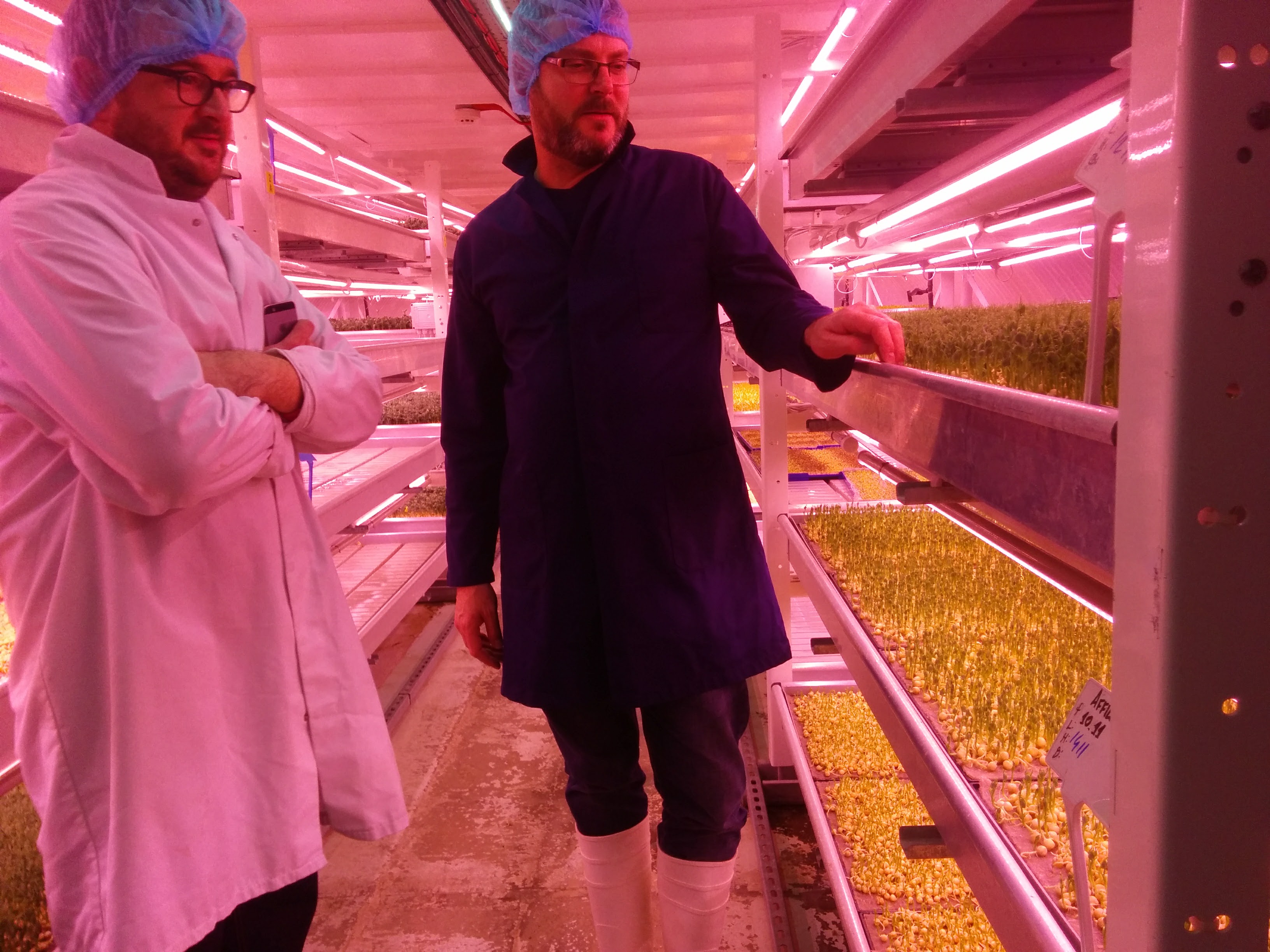
Following a series of tours and design crits which animated perspectives from a variety of disciplines - including agri-tech, local vs global food production, food delivery, food securities, environmental issues and food consumption - students prototyped a pioneering cohort of design solutions, from the imaginative to the pragmatic, in collaboration with UK leaders across related industries, including Microsoft Research, Tescos and Growing Underground. Student interventions were not merely about the ‘design of food’ at the level of consumption, but also about unexpected innovations that faced injustice throughout the production process. Together, we investigated future solutions in which future food technologies intervened for change.
The course was informed by a 2016 study from Research Councils UK which found that over 800 million people around the world still did not have adequate access to safe, nutritious food in their communities, with global populations expected to reach 9 billion by 2030. Our relationship with food has become costly and distant, we argued, our consumption reliant on distant international producers. As design practitioners, we believed opportunities existed for transformative change through critical design pedagogies - the kind that make worlds.
Following a series of tours and design crits which animated perspectives from a variety of disciplines - including agri-tech, local vs global food production, food delivery, food securities, environmental issues and food consumption - students prototyped a pioneering cohort of design solutions, from the imaginative to the pragmatic, in collaboration with UK leaders across related industries, including Microsoft Research, Tescos and Growing Underground. Student interventions were not merely about the ‘design of food’ at the level of consumption, but also about unexpected innovations that faced injustice throughout the production process. Together, we investigated future solutions in which future food technologies intervened for change.