Hacking Module ¯_(ツ)_/¯
A new course for the MA Transversal Design
HGK Academy of Art & Design
FHNW University of Applied Sciences and Arts Northwestern Switzerland, Basel
2025-2026
Course conveners:
Prof Dr Kit Braybrooke
Ozan Güngör
Guest lecturers:
Catherin Schöberl, Unofficial Hiking Society
Cem A, @freeze_magazine
Kenza Benabderrazik & Tara Lasrado, SAE Greenhouse Art-Lab, ETH Zürich
Yann Martins, Critical Media Lab
In collaboration with:
Critical Media Lab
Hack the Promise Festival

A new course for the MA Transversal Design
HGK Academy of Art & Design
FHNW University of Applied Sciences and Arts Northwestern Switzerland, Basel
2025-2026
Course conveners:
Prof Dr Kit Braybrooke
Ozan Güngör
Guest lecturers:
Catherin Schöberl, Unofficial Hiking Society
Cem A, @freeze_magazine
Kenza Benabderrazik & Tara Lasrado, SAE Greenhouse Art-Lab, ETH Zürich
Yann Martins, Critical Media Lab
In collaboration with:
Critical Media Lab
Hack the Promise Festival
What is hacking, exactly...? Are hackers merely those who “enjoy the intellectual challenge of creatively overcoming the limitations of software and/or hardware” (Wikipedia 2025), or is there something more going on here? The Hacking Module was a 2-semester postgraduate course which we developed for the MA Transversal Design programme at HGK FHNW, one of 5 core threads which defined transversal design as an emerging field which grows community infrastructures for worlds in transition. This course invited a joyful reclamation of the socio-technical practices of hacking, as a means of critical (re)worlding in times of polycrisis.
From commoning and repair to unmaking and decomposing, the DIY and DIT legacies of hacker communities have long encouraged public experimentation with alternative futures. The rich diversity of hacker cultures has too often been omitted from mainstream technomyths of digital progress, however, which tend to orient hacking around the neoliberal innovation contexts of Silicon Valley technology moguls (Braybrooke & Jordan 2017).
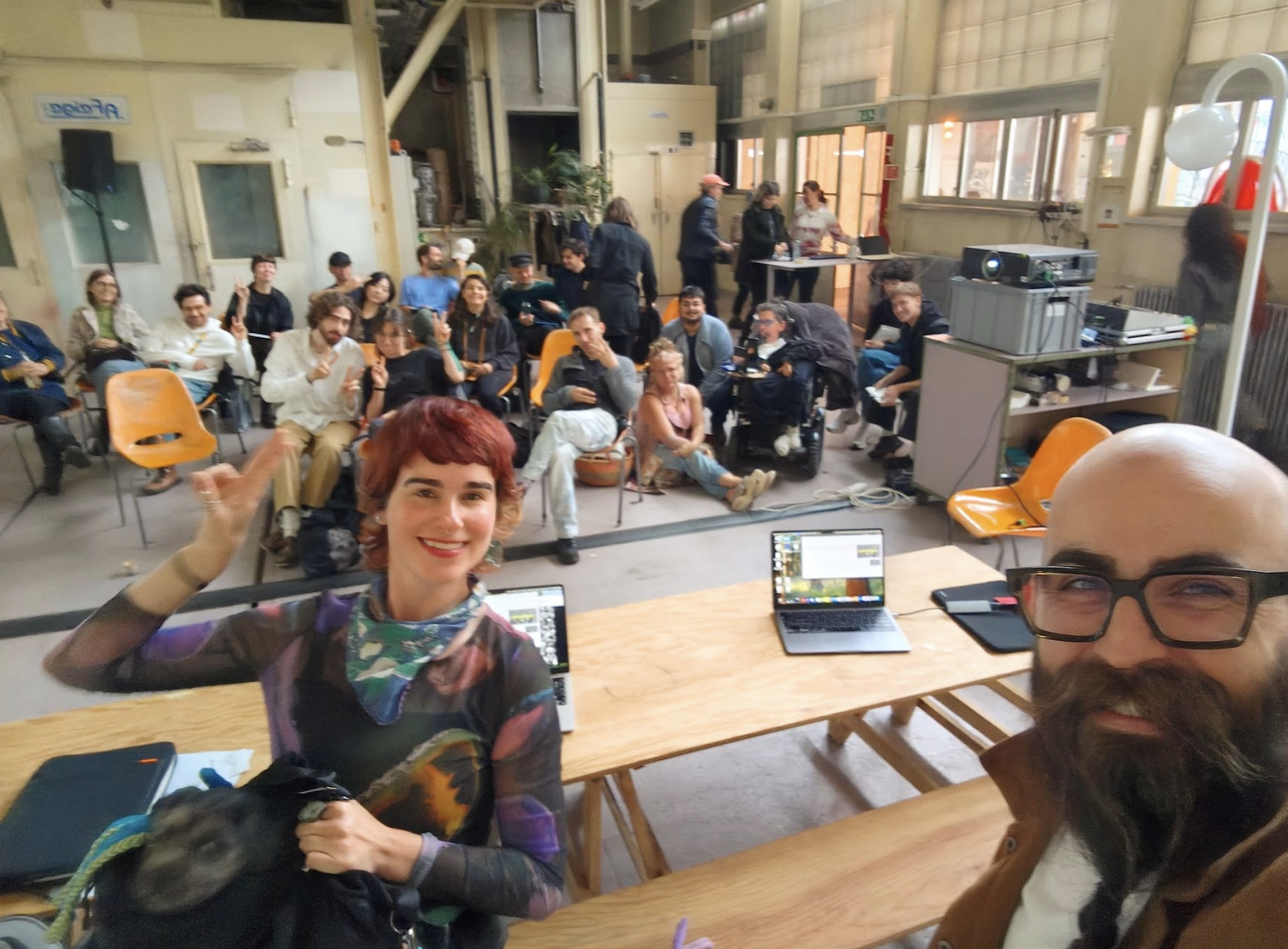
In play and resistance, our students explored the possibilities of hacking for systems change across a mixture of lectures and group interventions. We dug into the many manifestations of hacker practices over the years and their temporal, cultural, political and ethical considerations. We invited dialogues between hacking and its many sister-traditions, including (but not limited to) repair, commoning, cracking, debugging, shanzai, jugaad, rewilding, circularity, making, unmaking, regenerating, decomposing and alchemizing. Resurfacing ancient traces from early internets along the way, we investigated what is worth salvaging, and what is not - whilst inviting F/LOSS (Free, Libre, Open Source) alternatives to Big Tech along the way. The final assignment of the course invited students to explore their own findings about hacking as worlding, working with code to build vintage web homepages as a ‘virtual front porch’ for personal reflection.
∿∿∿∿∿∿∿∿∿∿∿∿∿∿∿∿∿∿∿∿∿∿∿∿∿∿∿∿∿∿∿∿∿∿∿∿∿∿∿∿∿∿∿∿∿∿∿∿
Sample sessions:
∿∿∿∿∿∿∿∿∿∿∿∿∿∿∿∿∿∿∿∿∿∿∿∿∿∿∿∿∿∿∿∿∿∿∿∿∿∿∿∿∿∿∿∿∿∿∿∿∿
"We are the hackers of abstraction. We produce new concepts, new perceptions and new sensations […] Whatever we hack, be it programming language, poetry, math or music, curves or colorings, we are the abstracters of new worlds.” ~ Mackenzie Wark
From commoning and repair to unmaking and decomposing, the DIY and DIT legacies of hacker communities have long encouraged public experimentation with alternative futures. The rich diversity of hacker cultures has too often been omitted from mainstream technomyths of digital progress, however, which tend to orient hacking around the neoliberal innovation contexts of Silicon Valley technology moguls (Braybrooke & Jordan 2017).
In play and resistance, our students explored the possibilities of hacking for systems change across a mixture of lectures and group interventions. We dug into the many manifestations of hacker practices over the years and their temporal, cultural, political and ethical considerations. We invited dialogues between hacking and its many sister-traditions, including (but not limited to) repair, commoning, cracking, debugging, shanzai, jugaad, rewilding, circularity, making, unmaking, regenerating, decomposing and alchemizing. Resurfacing ancient traces from early internets along the way, we investigated what is worth salvaging, and what is not - whilst inviting F/LOSS (Free, Libre, Open Source) alternatives to Big Tech along the way. The final assignment of the course invited students to explore their own findings about hacking as worlding, working with code to build vintage web homepages as a ‘virtual front porch’ for personal reflection.
∿∿∿∿∿∿∿∿∿∿∿∿∿∿∿∿∿∿∿∿∿∿∿∿∿∿∿∿∿∿∿∿∿∿∿∿∿∿∿∿∿∿∿∿∿∿∿∿
Sample sessions:
- Space hacking - Kunstmuseum edition - digging into the social production of space, power geometries, hacking from outside/inside.
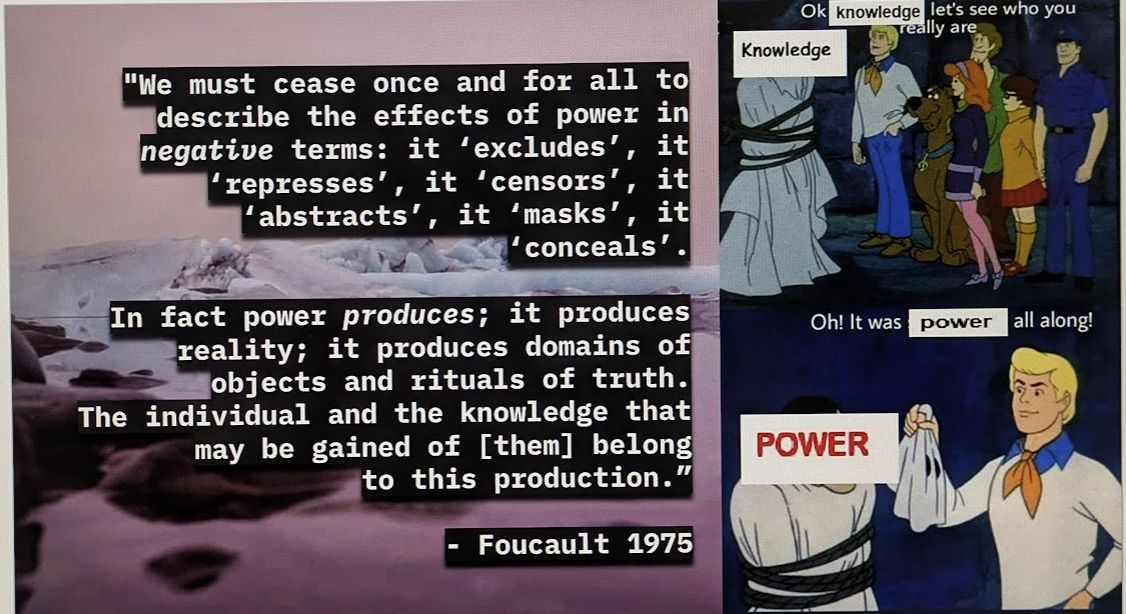
- Narrative hacking - meme-making edition - material semiotics, AI slop & power-knowledge.
-
Feral hacking - inviting non-humans to the digital banquet, watching it all go wild. Decomposing as transformation.
-
Vintage web hacking - remembering the hope of the early days of world wide webs, learning how to build digital gardens, ghosts in the machine.
- Culture hacking - Exploiting the cracks with situationism, culturejamming and hacktivism.
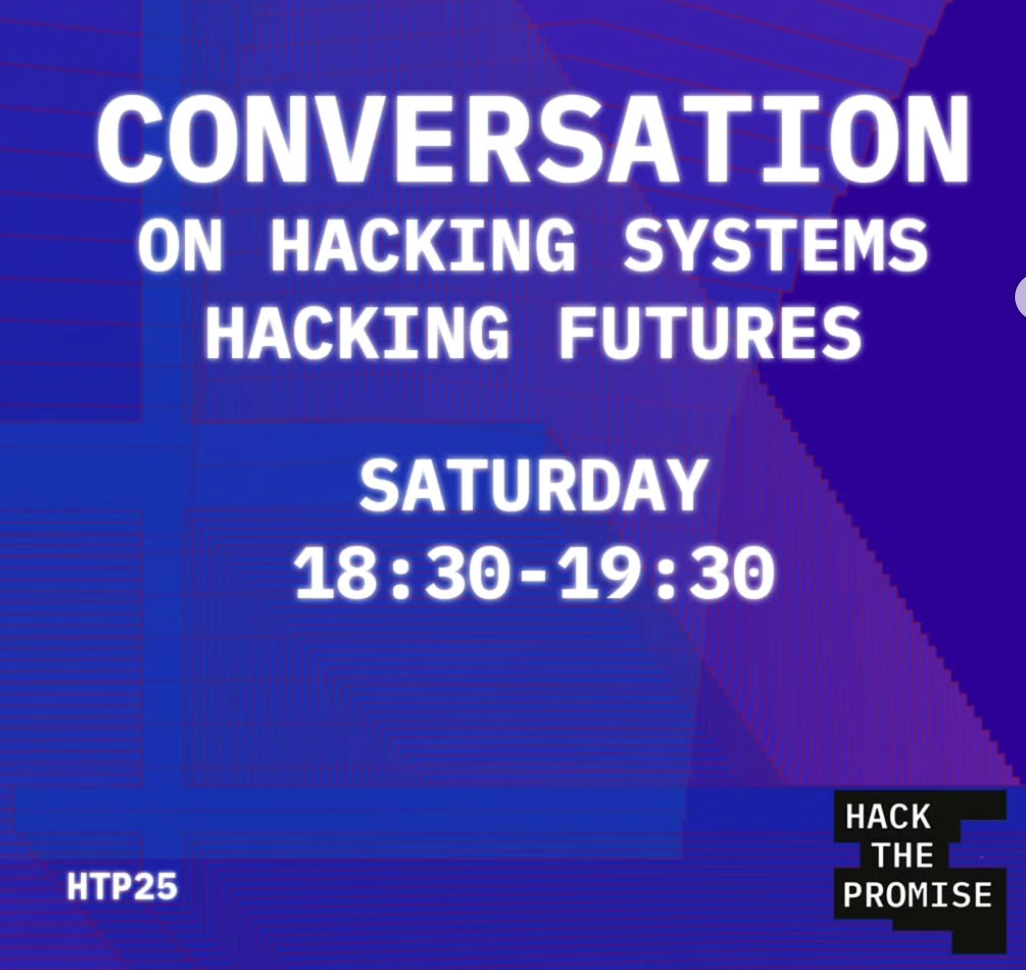
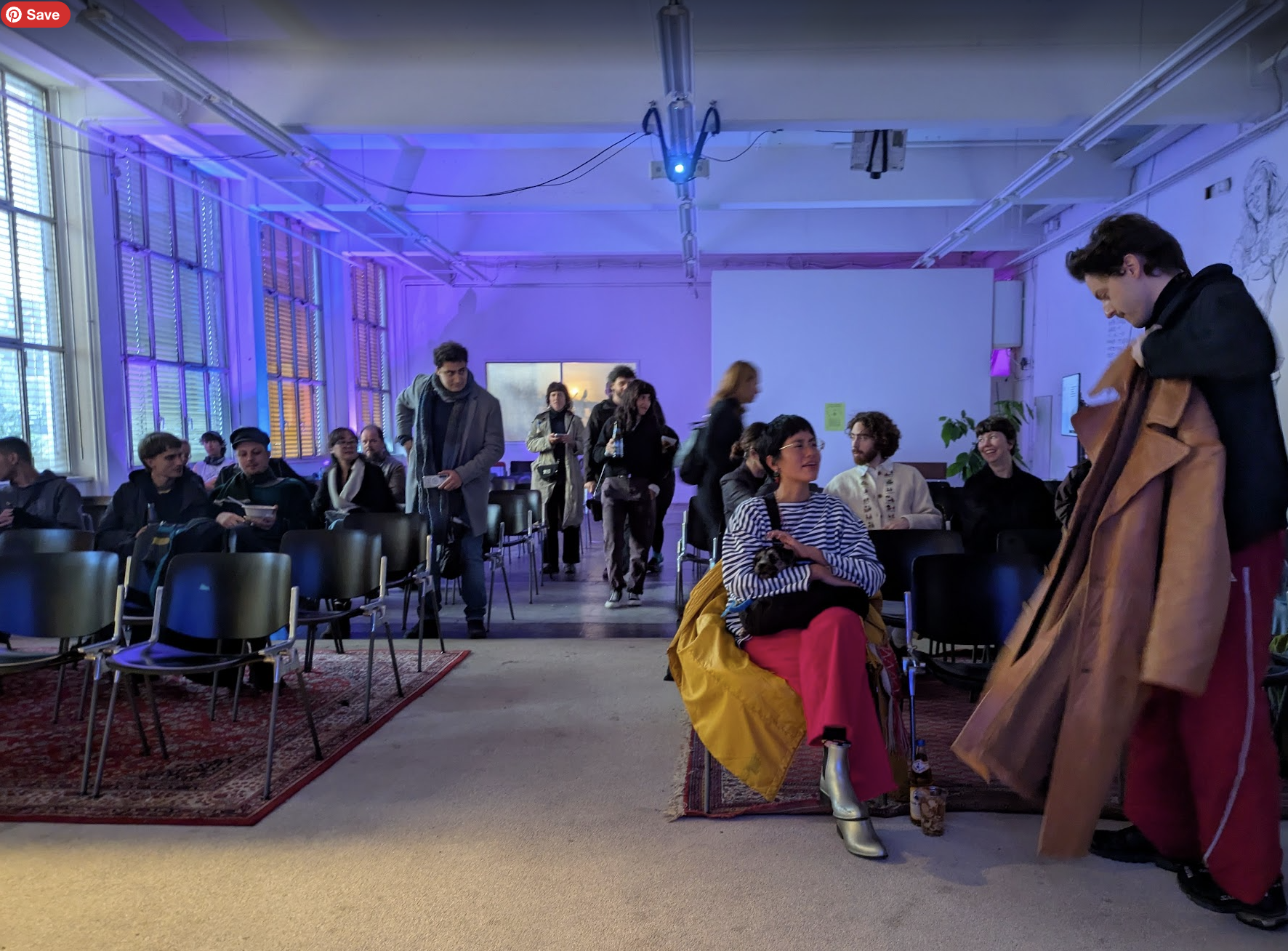
- Festival hacking - Hack the Promise edition, a festival exploring politics of technology.
∿∿∿∿∿∿∿∿∿∿∿∿∿∿∿∿∿∿∿∿∿∿∿∿∿∿∿∿∿∿∿∿∿∿∿∿∿∿∿∿∿∿∿∿∿∿∿∿∿
"We are the hackers of abstraction. We produce new concepts, new perceptions and new sensations […] Whatever we hack, be it programming language, poetry, math or music, curves or colorings, we are the abstracters of new worlds.” ~ Mackenzie Wark